
Types of Energy: Examples and Transformations
The main types of energy (kinetic, potential, thermal, chemical, electrical, light, sound and nuclear), everyday examples, how energy changes form and renewable sources.
 By Polarzinho ·
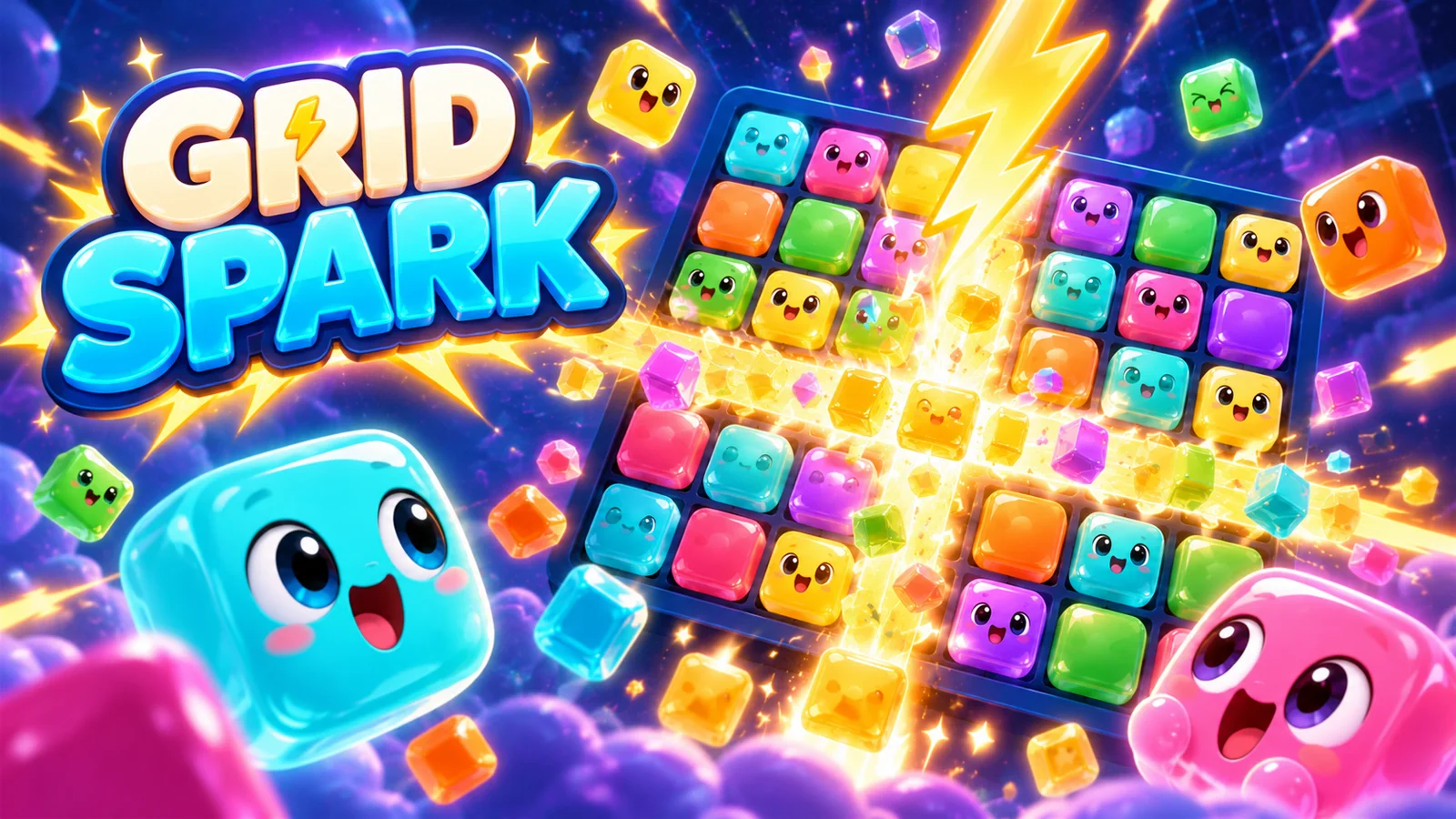
When I fire the lightning in Gridspark, energy is passing from one form to another. Energy is the ability to make something happen: move, heat, light up. And it comes in many types.
Here you get the main types of energy with everyday examples, the rule that energy never disappears, it only changes form, and the difference between renewable and non-renewable sources.
What is energy?
Energy is the ability to do work, which means causing change: moving an object, heating water, lighting a lamp. It is measured in joules (J).
The main types of energy
- Kinetic: the energy of motion. A rolling ball, a moving car.
- Gravitational potential: the energy stored by an object that is high up. A ball at the top of a hill.
- Elastic potential: the energy stored in something stretched or squeezed. A stretched rubber band, a spring.
- Thermal: the energy of heat, linked to the motion of particles. A hot cup of tea.
- Chemical: the energy stored in the bonds of substances. Food, batteries, fuel.
- Electrical: the energy of moving electric charges. What comes through wires, and lightning.
- Light (or radiant): the energy of light. Sunlight and the light of a flashlight.
- Sound: the energy of vibrations traveling through the air. A song, a clap.
- Nuclear: the energy stored in the nucleus of atoms. What nuclear power plants use.
Energy does not disappear, it transforms
Energy is neither created nor destroyed, it just changes from one form to another. This is called conservation of energy.
- Flashlight: the battery's chemical energy becomes electrical and then light (and a little thermal).
- Fan: electrical energy becomes kinetic.
- You eating and running: the food's chemical energy becomes kinetic and thermal.
- Solar panel: the Sun's light energy becomes electrical.
Renewable and non-renewable sources
- Renewable: they renew in nature in a short time. Sun, wind, river water, biomass.
- Non-renewable: they take millions of years to form and will run out. Oil, coal and natural gas.
Uranium, used in nuclear power, is also a resource that does not renew.
The lightning in Gridspark
In Gridspark you collect sparks along the way to charge the ZAP. When it is ready, you fire a discharge, a bit like lightning, that clears a cross on the board.
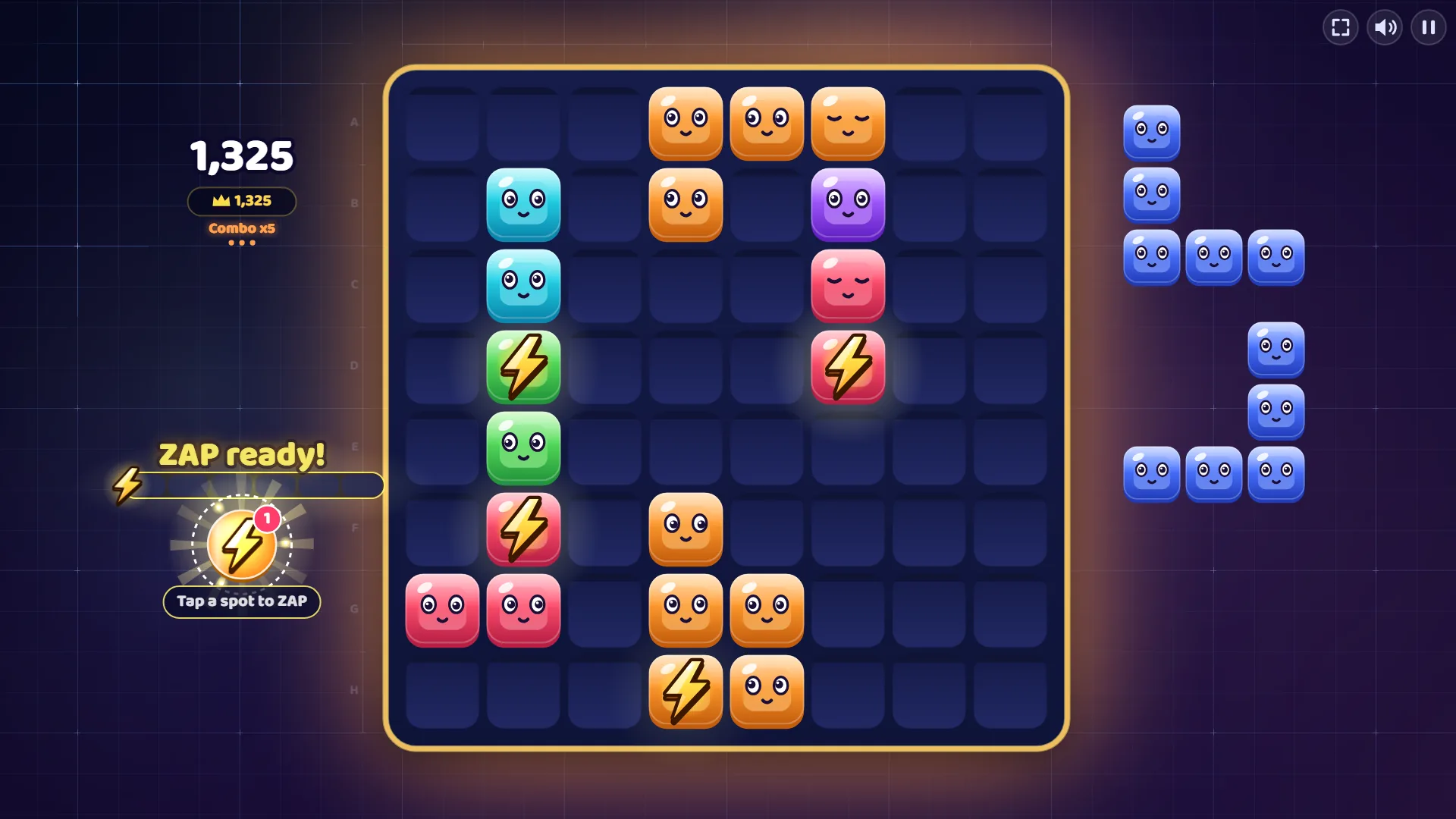
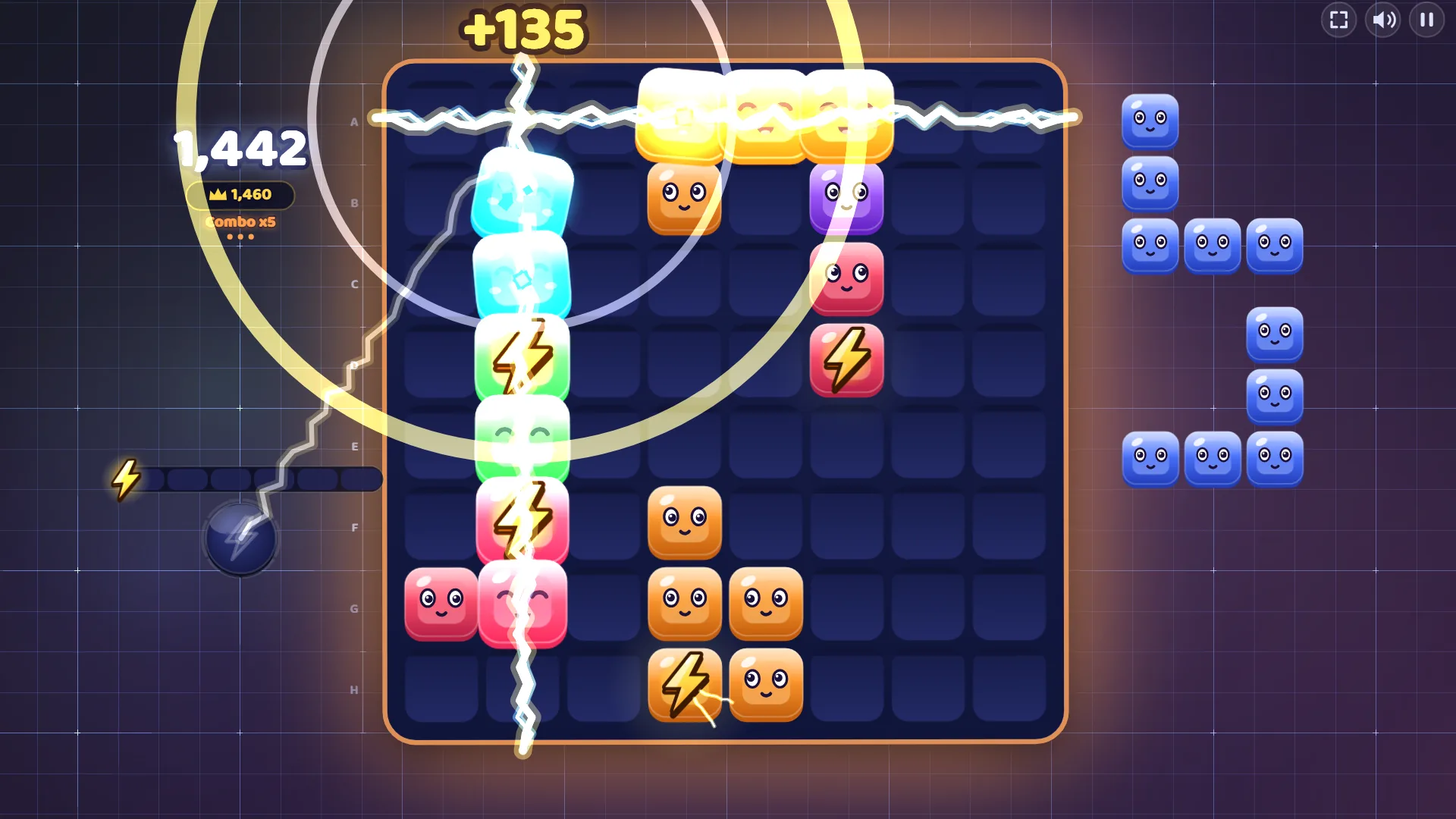
PolarzinhoSpark becomes ZAP, ZAP becomes points. Conservation of points, no waste.
FAQ
What is kinetic energy?
The energy of motion.
What is potential energy?
Stored energy, like a ball at the top of a hill.
What is the unit of energy?
The joule (J).
What are renewable energy sources?
Sources that renew in nature in a short time, like the Sun and the wind.
Your turn
Which energy is changing in each case: a ball rolling downhill, a solar panel and a battery lighting a flashlight? Answers: potential to kinetic, light to electrical and chemical to electrical and light.