
The Four Seasons: Dates, Causes and Facts
The four seasons, why they happen (the tilt of the Earth), the dates in the Northern Hemisphere, how the Southern Hemisphere is the opposite and a very common myth.
 By Polarzinho ·

In Brazil, Christmas falls in summer. In the United States and Europe, in winter. It may look like a calendar mix-up, but it is Earth working exactly as it should: when it is summer here, it is winter up north, and the other way around.
Here you get the four seasons, why they happen, the approximate dates, how the hemispheres differ and a very common myth many people still believe.
The four seasons
- Spring: plants bloom and days get longer.
- Summer: the warmest season, with the longest days.
- Fall (autumn): it cools down slowly and many trees drop their leaves.
- Winter: the coldest season, with the shortest days.
Why we have seasons
Seasons happen because Earth's axis is tilted, about 23.5°, compared with its orbit around the Sun. As the planet goes around, first the Northern Hemisphere and then the Southern Hemisphere leans more toward the Sun.
- When a hemisphere gets the Sun's rays more "head-on", and for more hours, it is summer.
- When it gets the rays more "sideways", and for fewer hours, it is winter.
Myth: it is not about distance from the Sun
Many people think it is summer when Earth is closest to the Sun. It is not. Earth is closest to the Sun around early January, when it is winter in the Northern Hemisphere and summer in the Southern.
Approximate dates in the Northern Hemisphere
- Spring: begins around March 20.
- Summer: begins around June 21.
- Fall: begins around September 22 or 23.
- Winter: begins around December 21.
The dates shift a little from year to year. They mark the solstices (the longest and shortest days) and the equinoxes (day and night of equal length).
And in the Southern Hemisphere?
- Fall: begins around March 20.
- Winter: begins around June 21.
- Spring: begins around September 22 or 23.
- Summer: begins around December 21.
Near the Equator, the climate is different
Near the Equator, the temperature barely changes through the year. Instead of four seasons, many regions have just two: a rainy season and a dry season.
Different climates in Puttide
Puttide, the 3D browser mini golf, has courses with very different looks: ice islands, lava rock and palm-tree beaches. It is a nice way to imagine different climates in a single round.
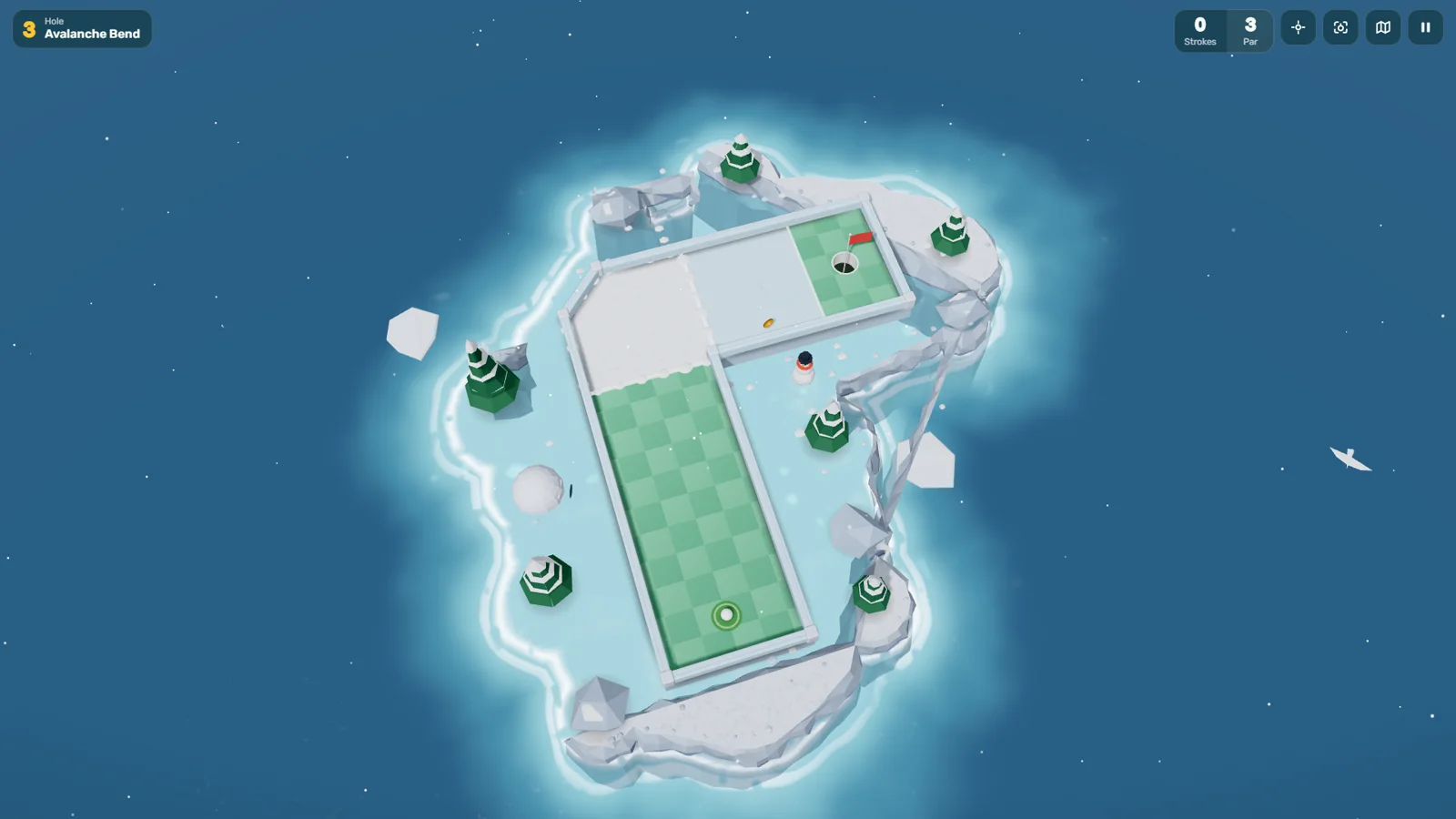
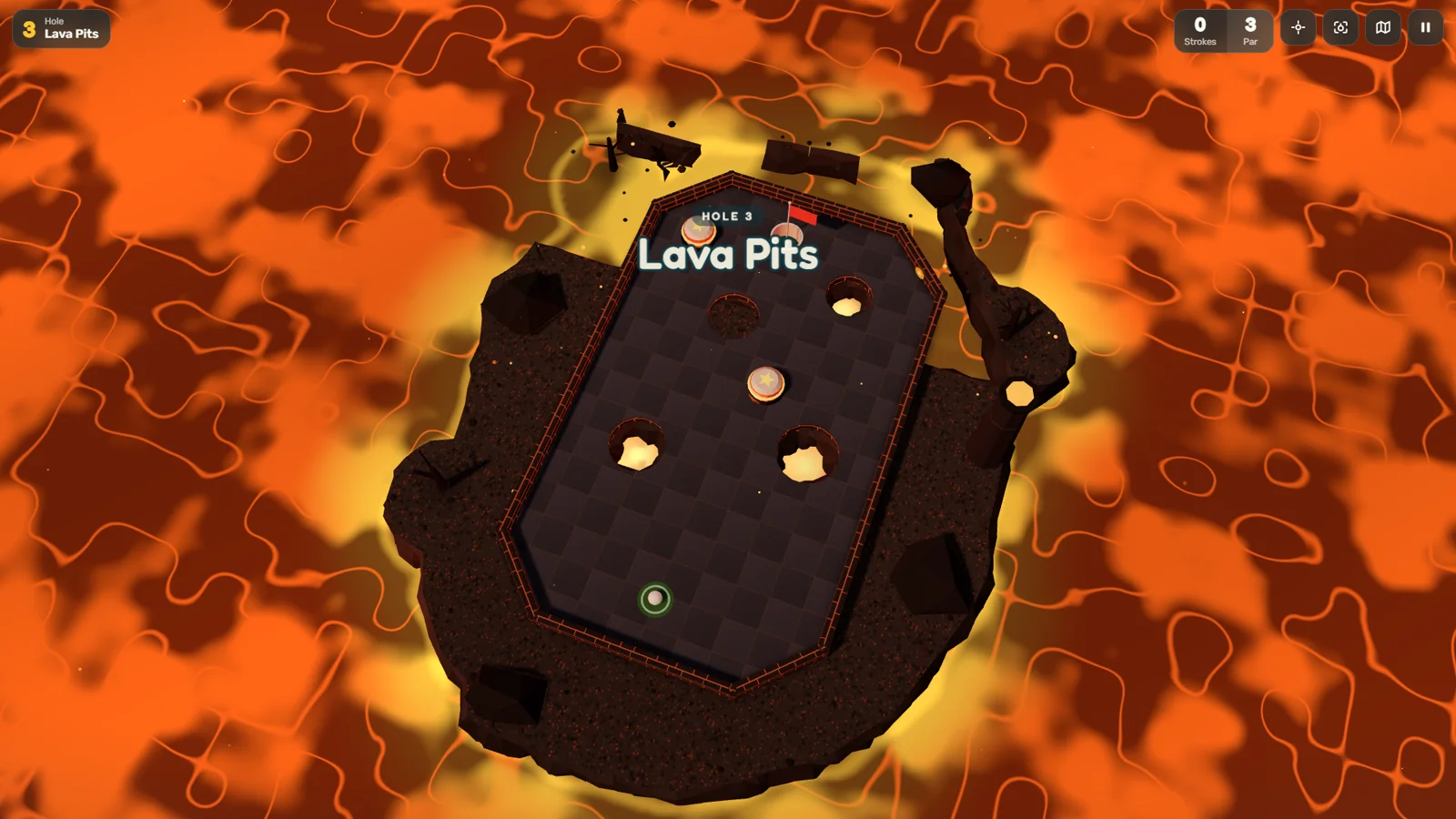
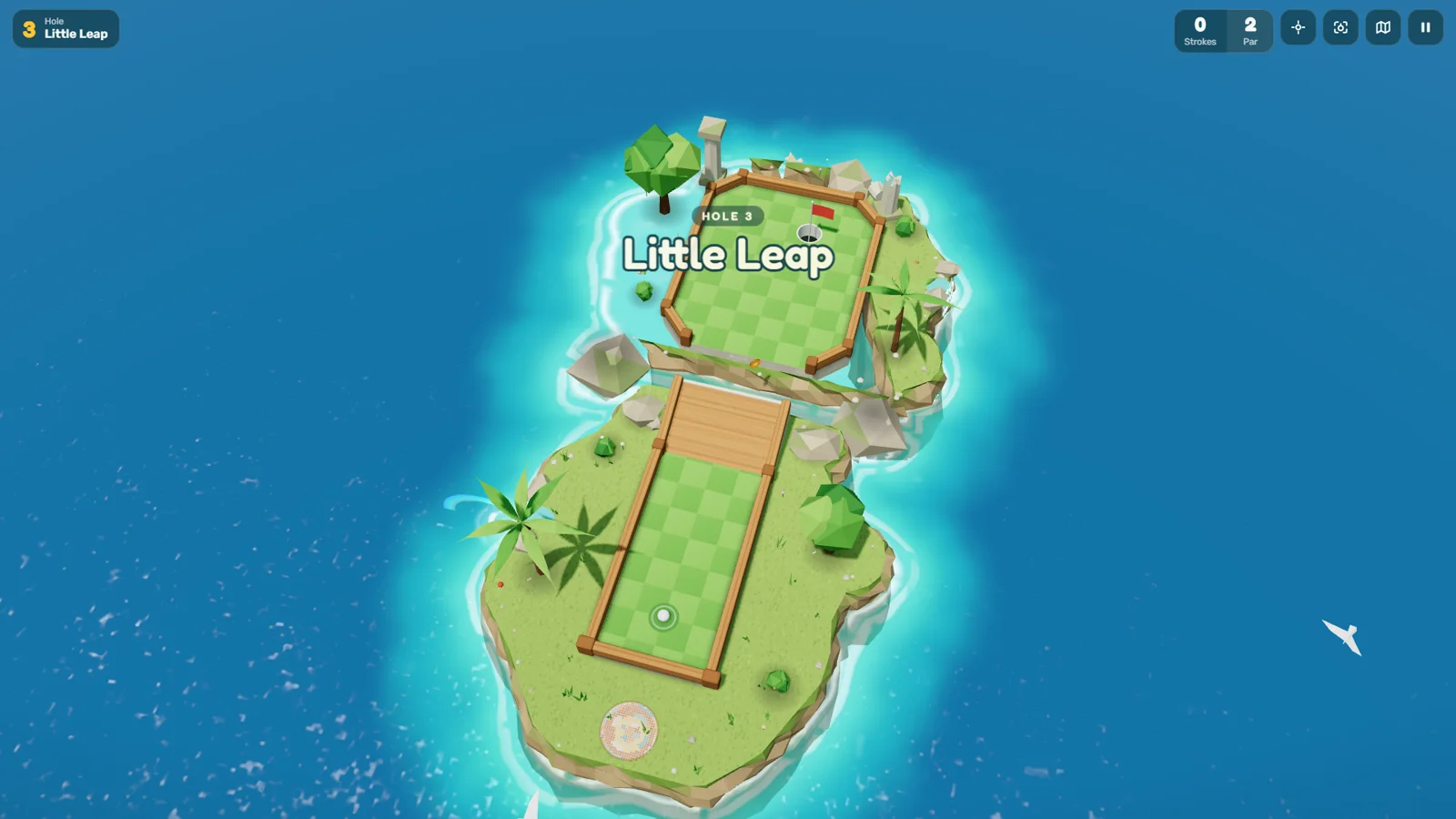
PolarzinhoWinter, lava and summer in one game. Only fall is missing.
FAQ
What are the four seasons?
Spring, summer, fall (autumn) and winter.
Why do we have seasons?
Because Earth's axis is tilted by about 23.5°.
When does summer start in the Northern Hemisphere?
Around June 21.
Are seasons caused by distance from the Sun?
No. The cause is Earth's tilt, not its distance.
Your turn
If it is June in the United States, what season is it in Brazil? And in December? Answers: winter and summer.