
Pleonasm and redundancy: 20 examples to avoid
What a pleonasm is, when redundancy is useful for emphasis, and 20 redundant phrases in everyday English worth cutting.
 By Polarzinho ·

I climbed up the tree to eat the bamboo with my own mouth. Two redundancies in one sentence. That has a name: pleonasm.
A pleonasm uses more words than needed to say something. Sometimes it is done on purpose for emphasis. Most of the time, it is just extra.
Emphasis or mistake?
- For emphasis (on purpose): "I saw it with my own eyes"
- Redundant (just extra words): "free gift", "unexpected surprise"
20 redundant phrases to avoid
- Free gift
- Unexpected surprise
- Past history
- End result
- Added bonus
- Advance planning
- Close proximity
- Final outcome
- Join together
- Repeat again
- Each and every
- New innovation
- True fact
- ATM machine
- PIN number
- Revert back
- Basic fundamentals
- Future plans
- Exact same
- Over exaggerate
How to fix them
- Free gift → gift
- Unexpected surprise → surprise
- ATM machine → ATM
- Revert back → revert
- Join together → join
The blog also has a full post on figurative language, with metaphor, hyperbole, euphemism and more.
Practice by playing
In Stop!, the quick category game, you cannot write the same answer twice. The game hates redundancy as much as your teacher does.
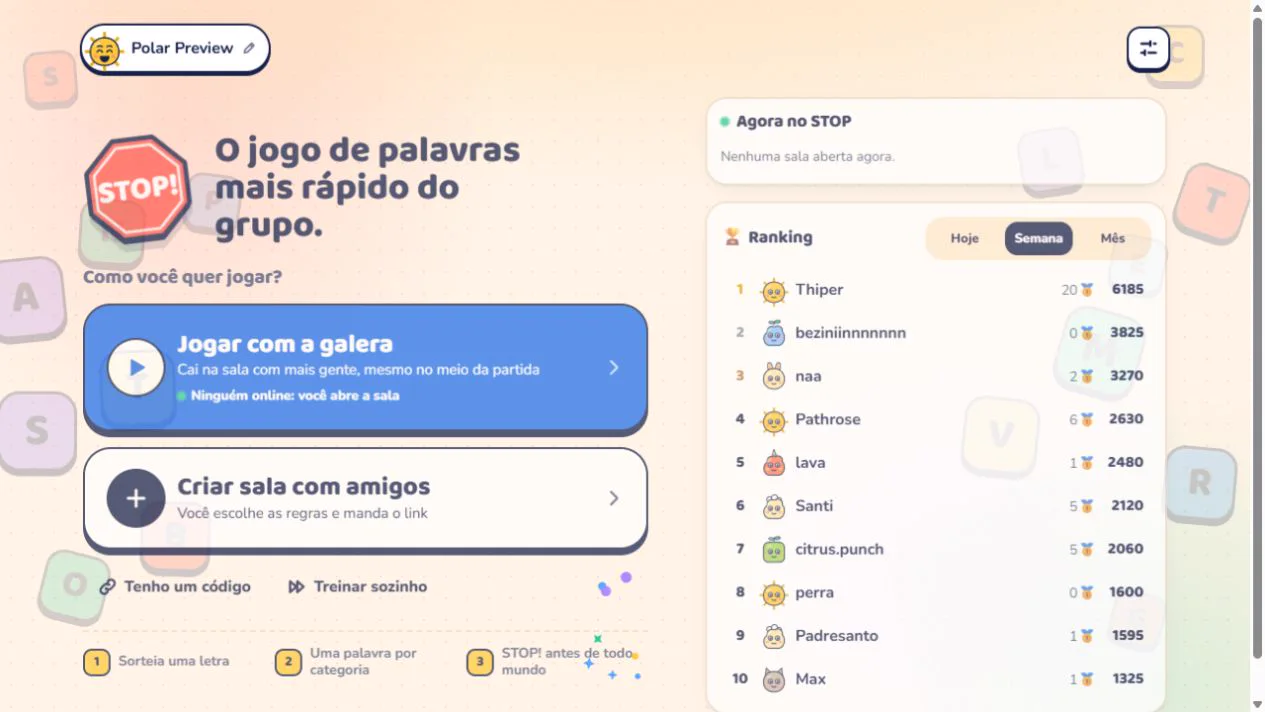
PolarzinhoIn Stop! I repeated the same word again. Oops, redundant. I repeated the word.
And in Letter River, every clue is vocabulary practice.
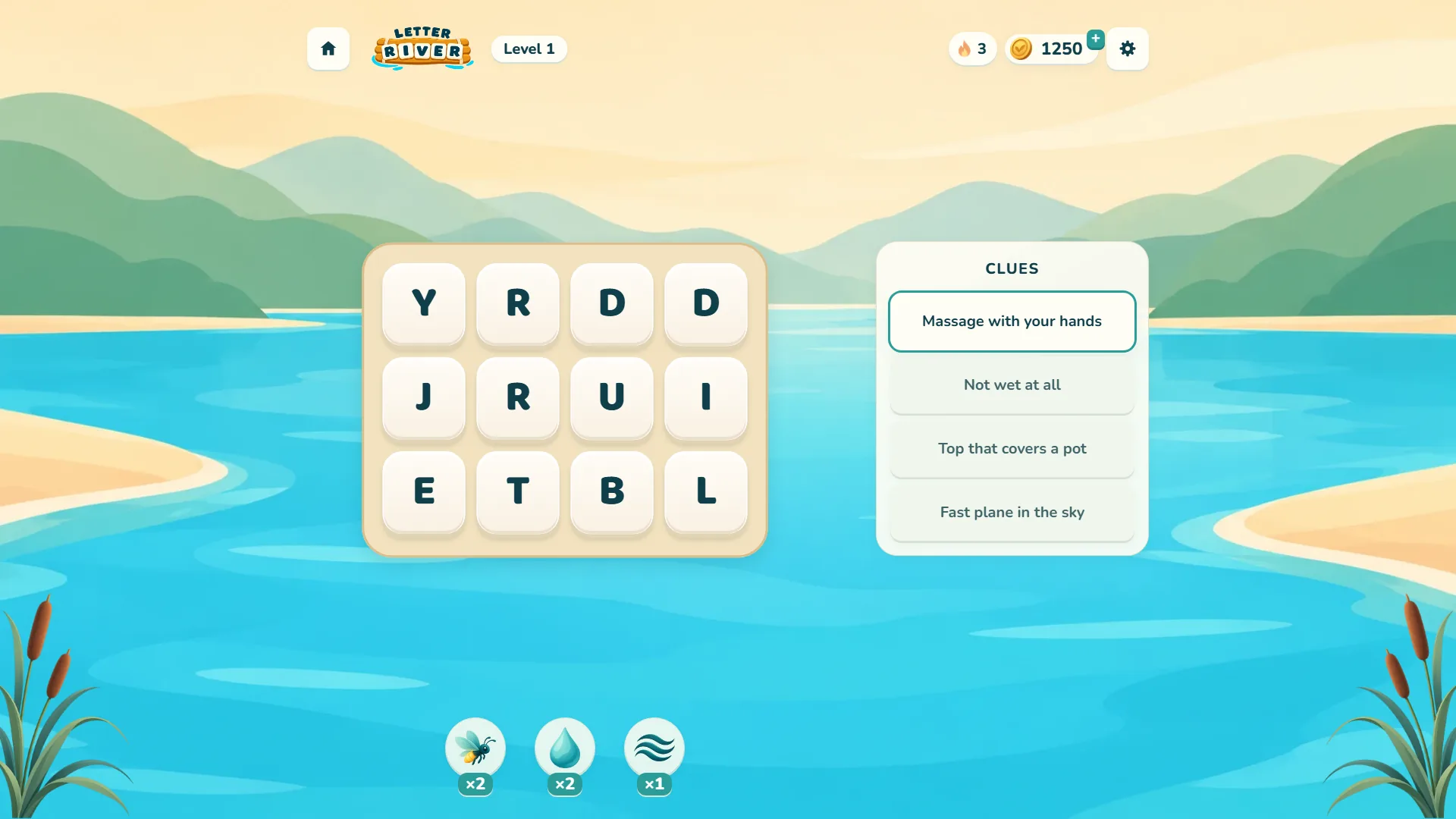
PolarzinhoThe otter in Letter River never "enters into" the river. She just enters it.
FAQ
What is a pleonasm?
Using more words than necessary to express an idea, like "free gift".
Is a pleonasm always wrong?
No. Writers sometimes use it on purpose for emphasis, like "I saw it with my own eyes".
What is the difference between pleonasm and tautology?
They overlap. A tautology usually repeats the same idea in different words ("a round circle"), while pleonasm is any use of extra, unneeded words.
Your turn
Fix this: "We will join together to repeat again our future plans."