
Game design: what makes a game fun
What game design is, what a game designer does, what gameplay and level design mean, and the seven ingredients that make a game fun, with examples from Polar Games titles.
 By Polarzinho ·

Game design is the part of making a game that decides how it works: the rules, the challenges, the rewards and how it feels to play. It is not the art or the code. It is the reason you want one more round.
I live in an indie studio and see this work every day. In this guide I explain what game design is, what a game designer does, what gameplay and level design are and, above all, what makes a game fun.
What is game design
It is the design of a game’s rules and experience. A game designer answers questions like: what does the player do? What do they earn? What can go wrong? When does it get harder?
- Mechanics: the possible actions, like jumping, aiming, collecting or answering.
- Rules: what you can do, what you cannot and how you win.
- Core loop: the cycle that repeats, like play, earn a reward, upgrade and play again.
- Progression: how the game grows with you, through levels, upgrades and new things.
What does a game designer do
They write rules, build prototypes, test with players and tune numbers: health, damage, speed, points, time. A big part of the job is watching people play and finding where they have fun and where they get stuck.
What is gameplay
Gameplay is the experience of playing: how the mechanics, controls and challenges come together while you play. When someone says a game has great gameplay, they mean it feels good to play, regardless of graphics or story.
What makes a game fun: 7 ingredients
1. Easy to learn, hard to master
The rule fits in one sentence, but getting good takes time. In Pinloop, one tap is all you need: stick pins into a spinning target without touching the others. Easy to understand, hard to land when the spin speeds up, slows down and reverses.
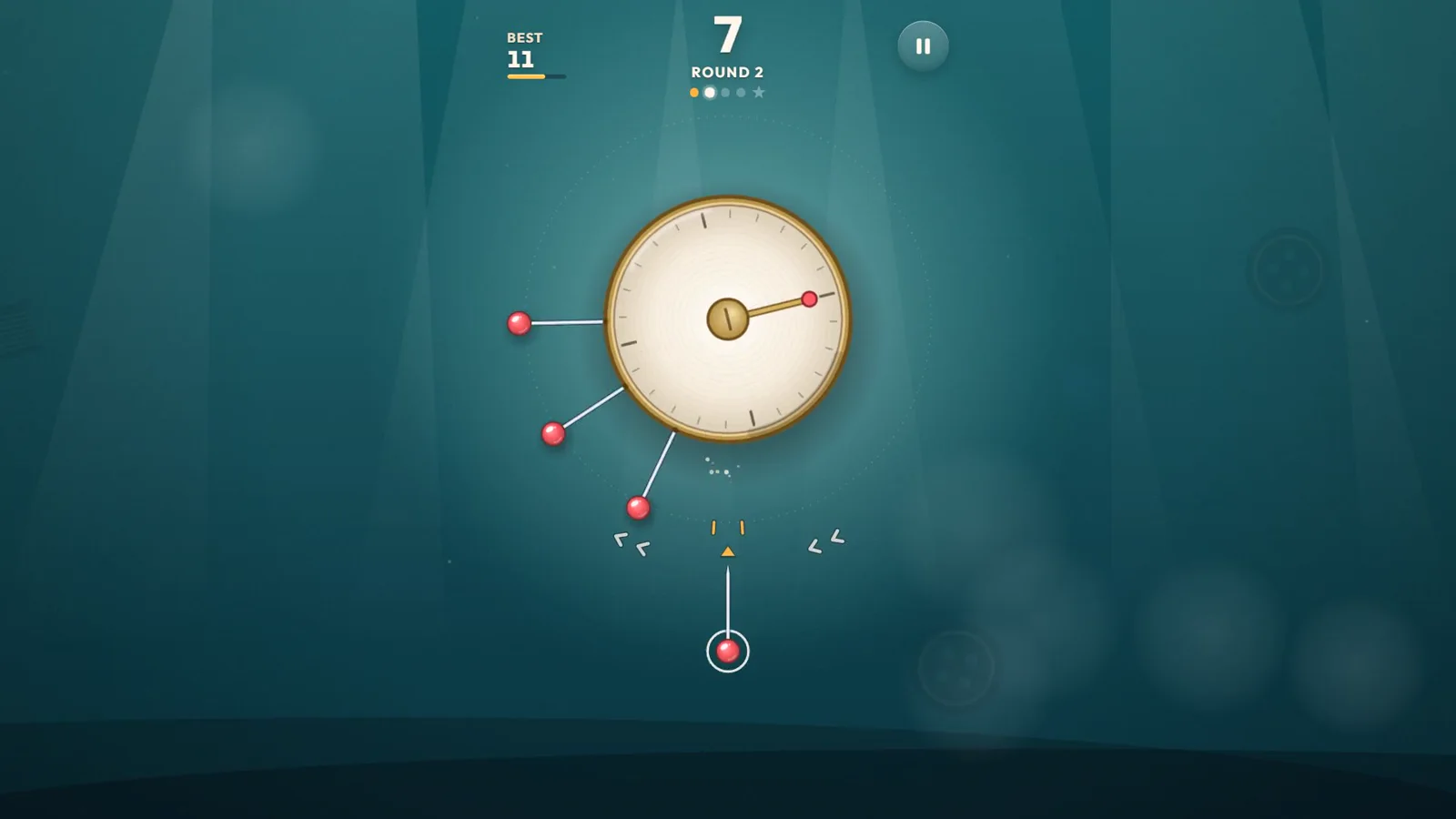
PolarzinhoBest: 11. I got 7. The target spins, I spin with it. One more.
2. The right challenge
Too easy gets boring, too hard gets frustrating. Good games raise the difficulty little by little, so you stay right at the edge of what you can do.
3. Instant feedback
Every action needs an instant response: a flash, a number going up, a screen shake. That is what makes controls feel good.
4. Choices that matter
In Barricade Z, you merge two matching turrets into a stronger weapon and decide where each one goes across five defense slots. Every choice changes how the horde reaches the barricade.
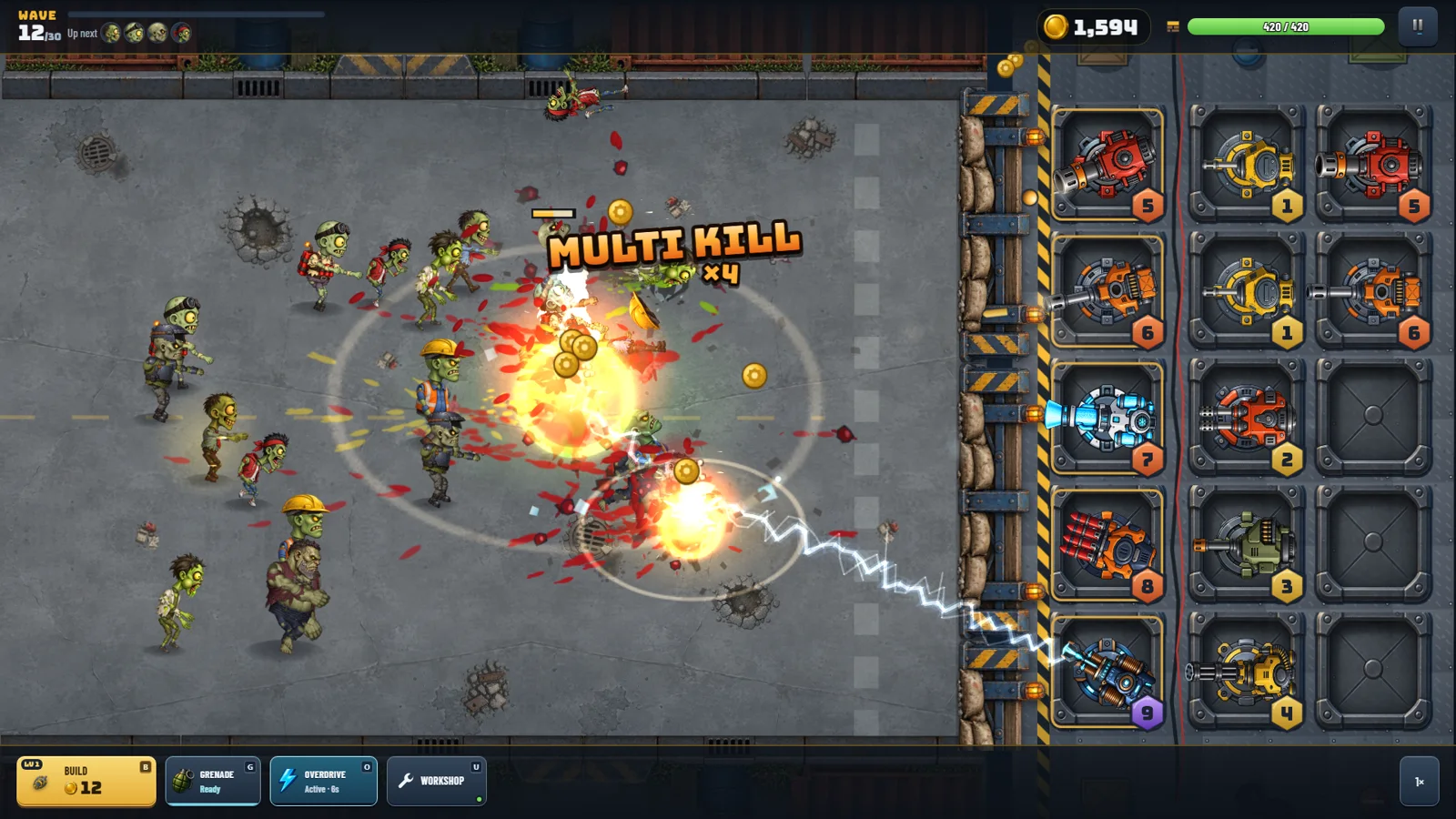
PolarzinhoI merged two matching turrets and the blast cleared half the street. I felt like an engineer. A panda engineer.
5. Progression
Feeling yourself improve: a new turret, a new level, a new best score. Progression gives you a reason to come back tomorrow.
6. Surprise
A boss that changes the rules, a rare item, a level with a different look. Small surprises break the routine of the loop.
7. Other people
Playing with friends multiplies the fun. That is why games like Stop! and Zabum! have rooms to invite your crew.
What is level design
Level design is the design of the levels: the map, the obstacles, where enemies and secrets are. A good level teaches without text, first showing an idea somewhere safe, then testing that same idea somewhere dangerous.
FAQ
What is game design?
The design of a game’s rules, mechanics and experience: what the player does and why it is fun.
What is the difference between game design and gameplay?
Game design is the plan. Gameplay is the result: the experience of playing what was designed.
What makes a game fun?
A simple rule with room to improve, the right challenge, instant feedback, choices that matter, progression, surprise and, when possible, other people.
Play like a designer
Open Pinloop and Barricade Z below and notice: what is the rule, where is the choice, and what makes you want one more round.