
Area and Perimeter: Formulas for Common Shapes
The difference between area and perimeter, the formulas for a square, rectangle, triangle, parallelogram, trapezoid and circle, worked examples, units (cm and cm²) and common mistakes.
 By Polarzinho ·
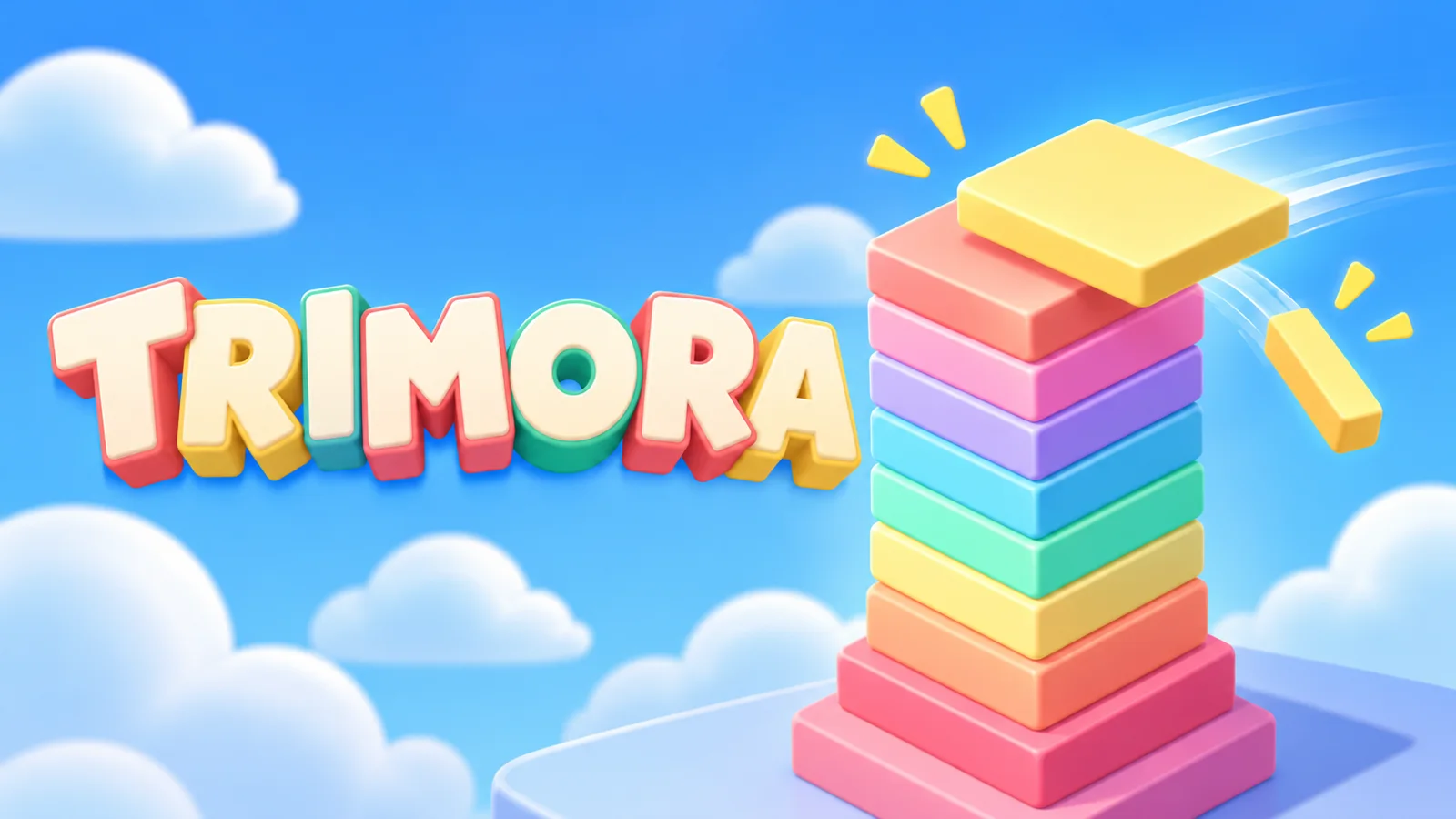
Perimeter is the fence around the garden. Area is the grass inside it. They sound alike but they are not: two gardens can have the same fence and very different amounts of grass.
Here you get the difference between area and perimeter, the formulas for the most common shapes, worked examples and the mistakes that show up most on tests.
Area and perimeter: what is the difference?
- Perimeter: the sum of all the sides, in other words the outline of a shape. Measured in units of length: cm, m, km.
- Area: the size of the surface inside a shape. Measured in square units: cm², m², km².
Formulas for the main shapes
- Square with side s: perimeter = 4 × s. Area = s × s.
- Rectangle with base b and height h: perimeter = 2 × (b + h). Area = b × h.
- Triangle with base b and height h: area = b × h ÷ 2.
- Parallelogram with base b and height h: area = b × h.
- Trapezoid with bases B and b and height h: area = (B + b) × h ÷ 2.
- Circle with radius r: circumference = 2 × π × r. Area = π × r².
Worked examples
- Square with side 5 cm: perimeter 20 cm and area 25 cm².
- Rectangle 6 cm by 4 cm: perimeter 20 cm and area 24 cm².
- Triangle with base 10 cm and height 6 cm: area 30 cm².
- Trapezoid with bases 8 cm and 4 cm and height 5 cm: area 30 cm².
- Circle with radius 3 cm: circumference 18.85 cm and area 28.27 cm² (with π ≈ 3.14159).
Same perimeter, different areas
Three shapes with a perimeter of 20 cm: the 5 × 5 square has an area of 25 cm²; the 8 × 2 rectangle has 16 cm²; and the 9 × 1 one has only 9 cm². Equal perimeter does not mean equal area.
Common mistakes
- Mixing units: cm with m, or forgetting the ² on area.
- Using the slanted side instead of the height.
- Forgetting the ÷ 2 in the triangle area.
- Confusing perimeter (sum of sides) with area (a multiplication).
Area and slabs in Trimora
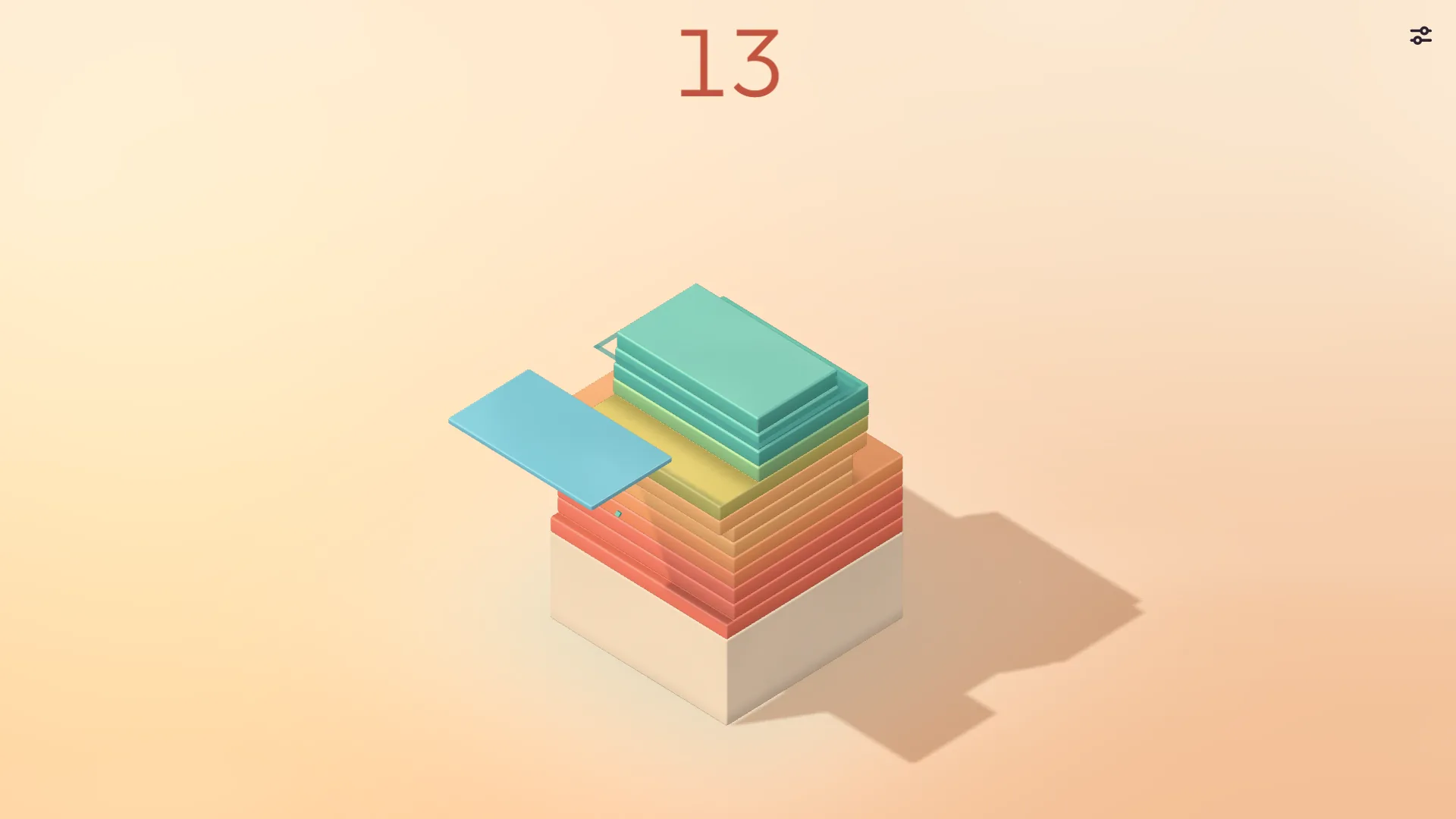
In Trimora you drop slabs that overhang the edge of the tower, and whatever overhangs is cut off and falls. The slab that stays gets narrower.
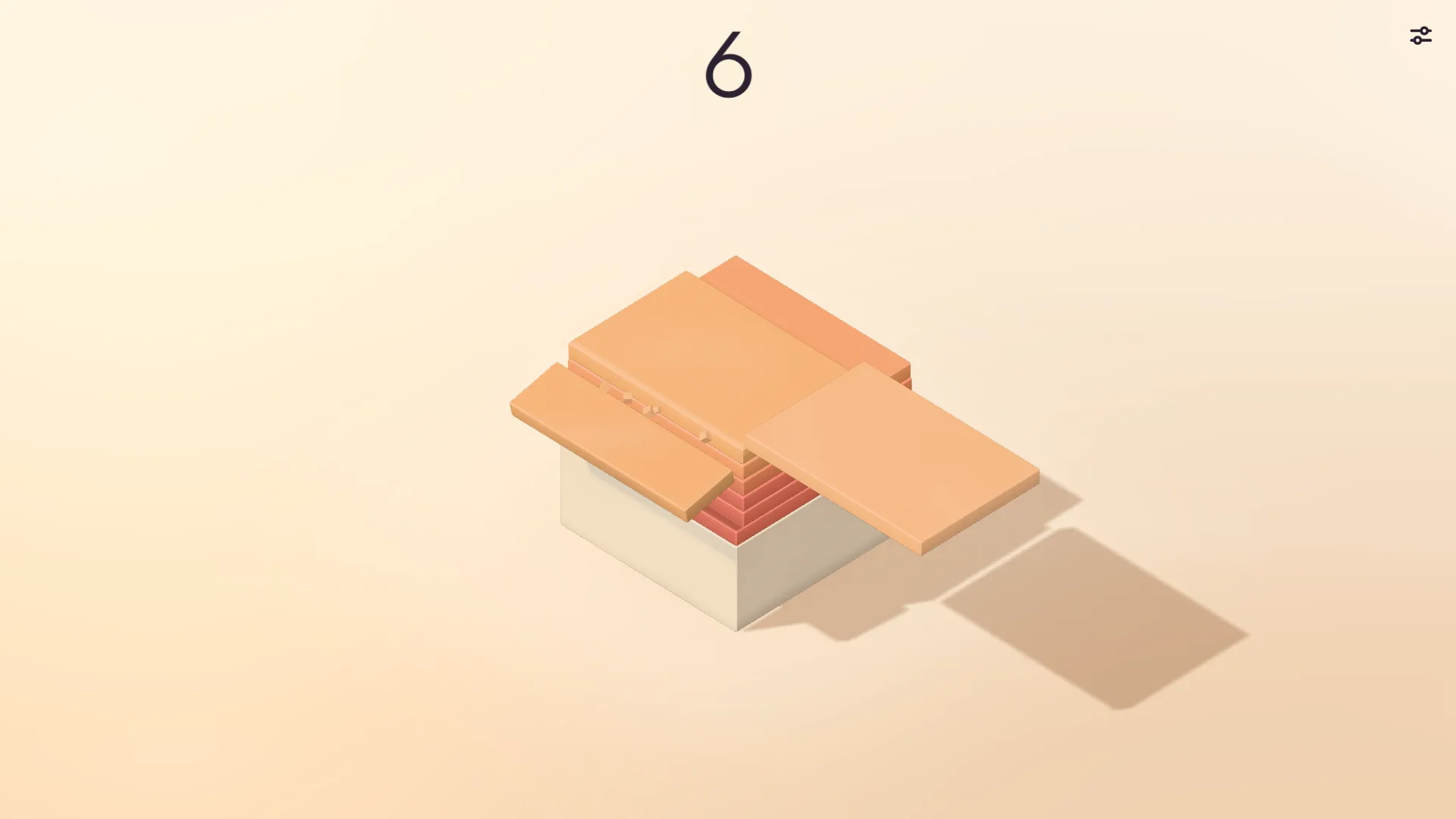
A sample calculation (made-up numbers, just for practice): a 6 by 4 slab has an area of 24. If a 1 by 4 piece is cut off, a 5 by 4 slab is left, with an area of 20.
PolarzinhoEvery strip cut takes a piece of the area and a piece of my pride.
FAQ
What is the difference between area and perimeter?
Perimeter is the outline of a shape; area is the size of the surface inside it.
What is the formula for the area of a rectangle?
Base times height.
What is the formula for the area of a triangle?
Base times height divided by 2.
What is the formula for the area of a circle?
π times the radius squared.
Your turn
A rectangle 7 cm by 3 cm: what are the perimeter and the area? And a parallelogram with base 7 and height 3? Answers: perimeter 20 cm, area 21 cm², and the parallelogram also has 21 cm².